Key Takeaway:
NFT wallets secure collectibles and handle essential blockchain transactions safely. My top three picks are Zengo Wallet, ECOS and Tangem Wallet. Each suits different needs, from easy onboarding to hardware-backed protection.
- Understand seed phrases and backups; losing them means permanent loss.
- Check chain support and NFT standards before transferring assets anywhere.
- Compare fees for swaps, bridges, and marketplace interactions across networks.
- Evaluate security features like biometrics, hardware signing, and transaction previews.
- Prefer transparent code, active audits, and responsive incident communications always.
8 Best NFT Wallets Recommendation
Here are the eight Best NFT Wallets I recommend you try:
- Zengo Wallet: Best for effortless NFT storage with keyless security
- ECOS: Best for securely storing high-value NFTs
- Tangem Wallet: Best for secure physical storage of NFT assets
- Uphold: Best for managing NFTs with multi-asset support
- Enjin: Best wallet for NFT trading
- Binance: Best for buying and trading NFTs with exchange integration
- MetaMask: Best for connecting NFTs to decentralized Web3 apps
- Trust Wallet: Best for simple mobile NFT storage and accessibility
Best NFT Wallets for Beginners (Comparison)
|
NFT Wallets |
Form Factor & Build |
Connectivity |
Supported Assets |
CoinBlockLab Rating |
|---|---|---|---|---|
|
Mobile app; sleek UI, highly portable |
Mobile (iOS/Android) |
120+ coins & tokens, Web3 apps, NFTs |
5/5 |
|
|
Cloud-based, ASIC hosting |
Mobile (iOS/Android) |
BTC primary, 200+ wallet |
4.6/5 |
|
|
Physical card; durable, credit-card size |
NFC with smartphone (offline capable) |
6,000+ assets, DeFi & NFTs |
4.5/5 |
|
|
Uphold |
Cloud-based exchange & wallet; multi-device access |
Web, Mobile (iOS/Android) |
250+ assets, stocks, metals, fiat integration |
4.3/5 |
|
Enjin Wallet |
Mobile app; gamer-friendly, intuitive design |
Mobile (iOS/Android) |
700+ tokens, NFTs, gaming items |
4.2/5 |
|
Binance |
Mobile-first app; simple, lightweight |
Mobile (iPhone/Android), Web |
Wide asset support, staking, DeFi, DApps |
4/5 |
|
MetaMask |
Browser extension & mobile app; widely adopted |
Chrome/Firefox extension, Mobile app |
Ethereum & EVM tokens, NFTs, DeFi dApps |
3.9/5 |
|
Trust Wallet |
Mobile app; minimal, user-friendly |
Mobile (iOS/Android) |
4.5M+ assets, NFTs, DeFi, DApps |
3.8/5 |
NFT wallets are gateways to assets, but not all safe. Wrong tools expose users to phishing prompts and malicious signatures. Unsupported networks can trap NFTs or fail critical transactions entirely. Custodial wallets may freeze withdrawals during volatility or compliance reviews. Weak backups risk permanent loss after device damage or theft. Buggy apps can miscalculate fees, draining balances unexpectedly and fast. I suggest starting with trusted wallets that publish audits and disclosures, such as Zengo Wallet. Proper, trusted tools reduce risks and protect long-term portfolio outcomes. This guide explains choices and offers honest reviews to decide confidently.
What is NFT Wallet?
An NFT wallet is a digital tool or vault used to securely store, manage, and transfer non-fungible tokens (NFTs) and cryptocurrency on the blockchain. It allows users to view and manage their digital collections, interact with decentralized applications (dApps), and seamlessly buy, sell, or trade NFTs. Acting as a secure gateway to the NFT ecosystem, it ensures ownership, accessibility, and protection of unique digital assets like art, collectibles, and virtual items.
Why You Can Trust CoinBlockLab
At CoinBlockLab, we don’t just skim the surface—we dig deep. Every recommendation you see is backed by hands-on testing, rigorous research, and a commitment to transparency. Our editorial team operates independently, meaning advertisers have zero influence over our ratings or reviews. We believe crypto should feel less like a gamble and more like a guided journey—and that starts with trustworthy information.
- 32+ Crypto Platforms & Wallets Personally Tested
- 187+ In-Depth Crypto Guides & Tutorials Published
- 61 Years Combined Editorial Experience
- 6120+ Research Hours Logged
- 22+ Expert Contributors
- 100% Human-Written Reviews
We’re here to help you navigate the crypto world with confidence, not confusion. You deserve clarity, not hype—and that’s exactly what we deliver.
Top NFT Wallets Detailed Reviewed
1) Zengo Wallet
Best NFT Wallets for Collectibles
Zengo Wallet is a non-custodial wallet designed especially for storing, sending, and interacting with NFTs and digital collectibles. It is backed by prominent investors and researchers in the crypto security space. The wallet uses advanced cryptographic key-less designs, avoiding traditional seed phrases and central key storage.
I trust it for both daily users and crypto enthusiasts because its philosophy centers on safety, transparency, and ease. It is perfectly suited for users who want to explore NFTs without compromising security or learning complex backup routines. Zengo’s market reputation is strong among both beginners and experienced holders.
Zengo Wallet Standout Features
- Keyless Security: Private keys never stored; uses secure enclaves on device
- Multi-Chain Support: Compatible with major NFT blockchains like Ethereum, Polygon
- Biometric Unlock: Facial or fingerprint login for user-friendly access
- Social Recovery: Trusted contacts can help recover wallet if device lost
- No Seed Phrase: Eliminates traditional mnemonic vulnerability risks
- Mobile First Design: Intuitive iOS and Android apps for everyday NFT use
- In-App NFT Gallery: View, organize, display NFTs directly in the wallet
- Watch-Only Mode: Monitor NFTs without giving transactional control
- Transaction Signing: All NFT transactions signed locally on device
Zengo Wallet Pros
- I feel safer using wallet’s social recovery system for backups
- User interface is simple and clean for beginners like me
- It provides seamless viewing of NFTs in gorgeous in-app gallery
Zengo Wallet Cons
- Some features are limited to mobile only platforms currently
- I must use trusted contacts for recovery; adds dependency
Expert Insights: Why Consider Zengo Wallet?
Zengo Wallet earns attention among Best NFT Wallets for its strong backing by leading crypto firms. Newcomers who want simple custody-free design with credible security can use it confidently from day one.
2) ECOS
ECOS began as an official resident of the Armenian Free Economic Zone, giving it a unique regulatory advantage in the crypto space. As a platform, it has evolved beyond mining services into a comprehensive crypto ecosystem that includes a secure wallet ideal for NFTs. ECOS emphasizes compliance, transparency, and a user-first security philosophy, making it a standout for those new to NFTs. Its reputation is anchored by both regulatory backing and a consistent presence in industry roundups.
It is a strong choice for beginners, casual NFT collectors, and investors who prefer everything in one place. From my experience, ECOS suits users who want to explore NFTs without juggling multiple platforms. It provides peace of mind for those starting their Web3 journey.
ECOS Standout Features
- Multi-Asset Support: Store NFTs and multiple cryptocurrencies in one wallet
- Built-In Exchange: Swap tokens instantly within the wallet interface
- NFT Compatibility: Seamless support for Ethereum-based NFT assets
- Integrated Mining Tools: Access to mining investment options from same app
- Portfolio Tracker: Real-time insights into asset performance and holdings
- Staking Capabilities: Stake select assets for passive earnings
- Secure Cloud Backup: Easy restoration across devices with encrypted storage
- Smart Contract Access: Interact directly with decentralized apps
- Personalized Analytics: Tailored reports based on user investment behavior
- Cold Wallet Integration: Compatible with external hardware wallets for added security
ECOS Wallet Pros
- ECOS app is easy to navigate even for beginners.
- I like the built-in portfolio insights feature.
- Reliable performance with minimal app crashes or lag.
- Quick NFT import makes it beginner-friendly.
ECOS Wallet Cons
- I find the NFT marketplace access somewhat limited.
- Limited customization options for NFT organization.
Expert Insights: Why Consider ECOS?
ECOS is gaining traction among crypto enthusiasts exploring NFT wallets. For newcomers seeking a gateway to digital collectibles, ECOS offers a balanced blend of accessibility and broader crypto investment infrastructure. It attracts users looking for simplicity backed by a trusted ecosystem.
3) Tangem Wallet
Tangem Wallet is a hardware-based solution designed to store digital assets securely and simply. It has gained attention for its approach to security, which focuses on offline protection and a tamper-resistant design. This philosophy makes it less vulnerable to online threats compared to many software wallets. Tangem is backed by global adoption, and its brand reputation continues to grow among investors who value safety.
From my perspective, the wallet feels intuitive and dependable, especially for those who want protection without learning complex technical steps. It is perfectly suited for beginners entering NFTs and cryptocurrencies, but also meets the needs of long-term holders who prioritize peace of mind. Casual collectors, active traders, and even institutions have recognized it as a reliable option for safeguarding assets.
Tangem Wallet Standout Features
- Card-Based Design: Physical smart card form factor for simple secure storage.
- NFC Technology: Tap-to-use transactions with mobile devices for convenience.
- Multi-Asset Support: Stores cryptocurrencies and NFTs in one unified wallet.
- No Battery Required: Operates without charging, ensuring long-term reliability.
- Tamper Proof: Hardware built with strict resistance against physical attacks.
- Offline Security: Private keys stored fully offline, away from online threats.
- Mobile App Integration: Companion app enables smooth wallet setup and access.
- Non-Custodial Control: Users maintain complete ownership of digital assets always.
- Multi-Card Backup: Extra cards created for redundancy and peace of mind.
Tangem Wallet Pros
- I found the setup very quick and clear for first-time users
- Transaction approval is simple, making it easy for everyday activity
- The wallet feels durable and fits perfectly in a pocket
Tangem Wallet Cons
- I noticed limited customer support availability during peak times
- There are fewer advanced portfolio tools compared to competitors
Expert Insights: Why Consider Tangem Wallet?
The Tangem Wallet is backed by a strong reputation in secure asset storage. For newcomers seeking a straightforward way to protect digital investments, it offers a perfectly balanced solution that prioritizes accessibility and trust without overwhelming complexity.
4) Uphold
Uphold is a global platform that enables users to buy, sell, and hold digital assets with transparency. Established with a strong focus on accessibility, the company has earned a reputation for offering reliable solutions to both beginners and seasoned investors. Uphold emphasizes a philosophy centered on openness and accountability, ensuring that every transaction is visible and verifiable.
Its security standards are backed by strong regulatory compliance, making it a platform that instills confidence in its user base. From my own experience, I found Uphold to be perfectly aligned with individuals who want simplicity without compromising trust. It is especially suitable for those entering the NFT market for the first time, as well as users looking for a straightforward, all-in-one solution for digital assets.
Uphold Standout Features
- Multi-asset Support: Trade crypto, fiat, and precious metals seamlessly.
- NFT Compatibility: Direct wallet support for minting and storage.
- Transparent Ledger: Publicly visible reserves ensure clear accountability for users.
- Cloud Sync: Access account information instantly across all supported devices.
- Payment Integration: Connect with bank accounts and cards for easier funding.
- Fee Structure: Flat, predictable pricing across asset transactions.
- Advanced Charts: Built-in market analysis with live performance tracking tools.
- Staking Access: Support for earning rewards on select digital assets.
Uphold Pros
- I find the interface simple and very beginner friendly
- The platform is backed by transparent reserve reporting
- NFT storage options are easy to navigate and manage
Uphold Cons
- I sometimes face slower processing during heavy traffic times
Expert Insights: Why Consider Uphold?
Uphold has grown into a trusted platform within the digital asset space. Many users see it as a versatile choice when navigating crypto and NFTs. Its broad ecosystem and dependable track record make it worth serious consideration.
Visit: https://uphold.com/
5) Enjin
Enjin is a non-custodial mobile crypto wallet designed for managing cryptocurrencies and NFTs. It is built by the Enjin platform, which is well known in the gaming space. Security is central: the wallet uses multiple encryption layers, secure keyboard input, and audited code to protect users. It supports Android and iOS, with a large community and regular updates. I have seen that even beginners praise its clarity and ease of use. Ideal users are those who want to explore NFTs, gamers holding in-game assets, and hodlers who prefer to control their own keys without relying on third parties.
Enjin Standout Features
- Multi-chain Support: Manage assets across Ethereum, Bitcoin, LTC, and more networks.
- NFT Compatibility: Supports ERC-721 and ERC-1155 collectibles and tokens.
- Secure Keyboard: Randomized and protected input to avoid keylogging risks.
- Double Encryption: Both software and hardware-level encryption for keys and data.
- RAM Encryption & Key Removal: Private keys cleared from memory after use.
- Built-in DApp Browser: Access decentralized apps directly inside wallet.
- Broad Coin & Token Support: Bitcoin, Ethereum, Litecoin, Enjin Coin etc.
- Non-custodial Design: You retain private keys; no third party controls your funds.
- Easy Interface: Clean, intuitive for new users.
Enjin Pros:
- I found the setup simple and onboarding very smooth
- It feels good to fully control my recovery
- I trust its encryption layers and audits—it inspires confidence
Enjin Cons:
- Some advanced users may want more granular control
Expert Insights: Why Consider Enjin?
The Enjin wallet is backed by a strong reputation in gaming and NFT ecosystems. Users who want an all-in-one mobile wallet that supports both tokens and digital collectibles will find Enjin a compelling choice.
Visit: https://enjin.io/technology/wallet
6) Binance
Binance is one of the largest cryptocurrency exchanges globally, established in 2017, and has steadily built a reputation for reliability. It is well known for maintaining strong compliance practices and a security-first philosophy that gives users confidence while navigating digital assets. Many investors trust Binance because of its transparent operations and consistent global presence, making it a recognized leader in the space.
I personally view Binance as a platform that has grown from a trading exchange into a complete ecosystem, perfectly balancing user adoption and market credibility. It is particularly suitable for users who want to explore NFTs alongside other digital assets. Newcomers benefit from its structured approach, while more experienced participants appreciate its advanced functionality. Binance remains a platform backed by both institutional trust and broad community adoption, making it a versatile choice for different audiences.
Binance Standout Features
- NFT Marketplace: Access global collections with seamless trading integration.
- Multi-Currency Wallet: Supports storage across hundreds of blockchain assets securely.
- Binance Pay: Enables direct crypto transactions without third-party fees involved.
- Staking Services: Earn rewards through token staking on supported networks.
- Peer-to-Peer Exchange: Trade directly with global users in multiple currencies.
- Launchpad Access: Participate in early-stage token offerings with transparency.
- API Connectivity: Developers integrate tools and strategies using robust APIs.
- Fiat Gateway: Buy crypto directly using cards, transfers, or third-party options.
- NFT Minting: Create, list, and manage non-fungible tokens directly on-platform.
- Cross-Chain Compatibility: Transfer assets across different supported networks easily.
Binance Pros
- The interface is easy for beginners to understand quickly
- I appreciate the large selection of tokens available for trading
- Global liquidity ensures trades are executed without significant price slippage
Binance Cons
- I find the verification process lengthy for some account types
- New users may feel overwhelmed by the many product choices
Expert Insights: Why Consider Binance?
Binance has become one of the most widely recognized platforms for digital assets. Traders seeking accessibility and strong ecosystem support often see it as a trusted gateway into the world of crypto and NFTs.
Visit: https://www.binance.com/en
7) MetaMask
MetaMask is a widely trusted wallet application designed for seamless interaction with decentralized applications. First launched in 2016, it has steadily gained a reputation for reliability and security in the growing Web3 landscape. The tool is backed by a strong development team that continues to improve transparency and user safety. Its security philosophy is centered around private key control, ensuring that ownership remains in the hands of the user.
This principle has helped build confidence among individuals new to blockchain. MetaMask also enjoys a market reputation as one of the most user-friendly and adaptable tools available today. From my experience, it suits those who want a straightforward path into NFTs without feeling overwhelmed. It is perfectly aligned for casual collectors, early learners, and even professionals looking for easy integration with marketplaces and decentralized finance platforms.
MetaMask Standout Features
- Browser Extension: Lightweight access across Chrome, Firefox, Edge, and Brave browsers
- Mobile App: Full-featured iOS and Android wallet for on-the-go use
- NFT Support: Direct viewing and management of digital collectibles in-wallet
- DApp integration: Smooth connectivity with thousands of decentralized applications
- Custom Networks: Flexible addition of Ethereum and compatible blockchain networks
- Token Swap: Built-in exchange aggregator with multiple liquidity providers
- Private Keys: Full user ownership with locally encrypted storage
- Seed Phrase: Twelve-word recovery for secure account backup and restoration
- Open Source: Publicly auditable code for transparency and community review
MetaMask Pros:
- It is easy for me to connect with NFT platforms
- The wallet works smoothly across desktop and mobile devices
- It provides clear instructions that helped me start quickly
MetaMask Cons:
- High traffic can sometimes make transactions slower than expected
- I often find gas fees unpredictable during heavy network demand
Expert Insights: Why Consider MetaMask?
MetaMask has become one of the most recognized names in digital asset management. For users exploring the best NFT wallets, it offers a gateway to the decentralized ecosystem that balances accessibility and credibility, making it a worthwhile consideration for both beginners and experienced traders.
Visit: https://metamask.io/
8) Trust wallet
Trust Wallet is a digital wallet developed with the vision of simplifying access to cryptocurrencies and NFTs. Launched in 2017 and later acquired by Binance, it is backed by a strong reputation for reliability in the global crypto market. The wallet is widely known for its commitment to security and transparent operational philosophy. Many early adopters trust its consistency, and it remains perfectly aligned with both beginner and intermediate users who value ease of use.
From my experience, Trust Wallet serves as a reliable gateway into NFTs without requiring extensive technical knowledge. It is particularly useful for individuals who want to engage with decentralized markets while maintaining control over their digital assets. Overall, it stands as a trusted option in the broader ecosystem.
Trust Wallet Standout Features
- Multi-chain Support: Manage NFTs across diverse blockchains in one wallet.
- NFT marketplace Access: Direct browsing and purchase within integrated platforms.
- Private Key Ownership: Users retain complete control of private wallet keys.
- Biometric Login: Added convenience with fingerprint or facial authentication support.
- Offline Mode: Secure transaction signing without constant internet connection.
- In-app Browser: Explore decentralized apps seamlessly within the wallet.
- Backup Recovery: Easily restore wallet access using secure recovery phrases.
- Push Notifications: Receive instant updates for NFT transfers and activity.
- Multi-device Use: Access your wallet smoothly across phones and tablets.
Trust Wallet Pros
- Transactions are fast and usually process without issues
- I find the wallet interface simple and clear for beginners
- It integrates easily with many decentralized applications
Trust Wallet Cons
- Sometimes updates feel frequent and disrupt ongoing usage
Expert Insights: Why Consider Trust Wallet?
Trust Wallet is a recognized choice in the NFT wallet space. It is widely considered by many new investors who want to explore NFTs without overwhelming complexity. The platform continues to attract attention for its balanced approach to accessibility and growing adoption.
Visit: https://trustwallet.com/nft
Comparison Table: Best NFT Wallets
|
Feature |
Uphold |
Enjin |
Binance |
|||
|---|---|---|---|---|---|---|
|
Best For |
Beginners & security-focused users |
Storing high-value NFTs |
Hardware-level security |
Multi-asset investing |
NFT creators & gamers |
Traders & NFT investors |
|
Free Trial |
✅ |
✅ |
❌ |
✅ |
✅ |
✅ |
|
Security Type |
MPC (no seed phrase) |
Yes |
Cold storage (physical card) |
Custodial + 2FA |
Software wallet with encryption |
Exchange wallet with optional cold storage |
|
Supported Blockchains |
Ethereum, Bitcoin, Polygon, Tezos, BSC |
Multi-coin support |
Ethereum, Polygon, BTC |
100+ incl. ETH, BTC, XRP |
Ethereum, JumpNet, Polkadot |
BNB Chain, Ethereum, Polygon, Solana, more |
|
NFT Support |
ETH & Polygon NFTs |
Yes |
via card interface |
ETH NFTs |
strong NFT-native integration |
NFT marketplace & wallet |
|
Ease of Use |
✅ |
✅ |
❌ |
✅ |
✅ |
✅ |
|
Mobile App Availability |
✅ |
✅ |
✅ |
✅ |
✅ |
✅ |
How to Set Up an NFT Wallet
- Choose a Wallet: Select an NFT-compatible wallet like MetaMask or Trust Wallet.
- Download the App: Install from the official website or app store.
- Create Your Wallet: Set up an account and create a strong password.
- Store Your Recovery Phrase: Write it down and keep it offline and secure.
- Add Cryptocurrency: Transfer or buy crypto needed for NFT transactions.
- Connect to a Marketplace: Link your wallet to platforms like OpenSea or Rarible to start using it.
🔐 Special Tip: Consider using a hardware wallet for valuable NFTs. It keeps your private keys offline, offering one of the highest levels of protection against hacking and theft.How Did We Choose Best NFT Wallets?
Understanding wallet performance, reliability and user experience in the NFT space is essential because technology rapidly evolves. Our team reviewed industry reports, expert discussions and product documentation to ensure accuracy and credibility. The result reflects balanced insights, providing helpful and consistently reliable guidance for users exploring today’s NFT ecosystem.
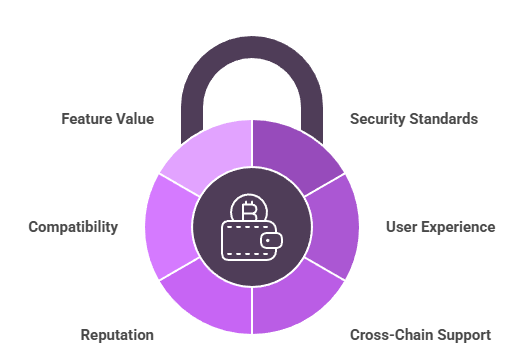
- Security Standards: We chose based on multi-layer encryption biometric authentication and secure backups since user safety is the most important factor.
- User Experience: Our team shortlisted wallets offering ultra-responsive navigation simplified setup and interfaces designed for all users including complete beginners effortlessly.
- Cross-Chain Support: We made sure to include wallets commonly supporting multiple NFT blockchains so you can manage assets smoothly and efficiently.
- Reputation: We chose based on developer transparency consistent updates and community trust which helps you avoid unreliable or inactive platforms.
- Compatibility: Experts in our team selected tools based on desktop mobile and hardware integration to ensure your setup remains adaptable to your needs.
- Feature Value: We selected wallets offering helpful extras such as marketplace access transaction history and storage options that provide productivity and versatility.
People Also Read: Ledger vs Trezor Comparison & Review
What Are the Best Security Tips for NFT Wallets?
Keeping your NFT wallet secure is essential to protecting your digital assets from fraud, scams, and unauthorized access. Since NFTs are stored on the blockchain and cannot be recovered once lost or stolen, implementing strong security practices is crucial. Below are some key tips to help safeguard your NFT wallet:
1. Use a Hardware Wallet
Hardware wallets offer offline storage, also known as “cold storage.” This reduces exposure to hacking attempts and is one of the safest ways to store valuable NFTs.
2. Enable Two-Factor Authentication (2FA)
Adding an extra layer of security ensures that even if someone gains access to your wallet login credentials, they still cannot access your assets without the secondary authentication factor.
3. Keep Your Private Keys and Recovery Phrases Offline
Never store your private key or seed phrase on your phone, email, or cloud storage. Write them down and store them in a secure, private location.
4. Beware of Phishing Websites and Scams
Always double-check URLs and avoid clicking suspicious links. Fraudulent websites often mimic official platforms to steal your login credentials or wallet access.
5. Use a Strong and Unique Password
Avoid using simple or reused passwords. A strong password combined with a password manager helps protect your wallet from cyber-attacks.
6. Regularly Update Wallet Apps and Devices
Software updates often include critical security patches. Keeping your wallet and device up to date reduces vulnerabilities.
7. Avoid Public Wi-Fi for Transactions
Public networks are unsecured and can expose sensitive wallet information. Use a private, secure internet connection for all transactions.
Understanding How NFT Wallets Protect Your Digital Assets
When you invest in NFTs, securing your digital assets is just as important as choosing the right marketplace. NFT wallets play a vital role in safeguarding your tokens by combining advanced security features with user control. Here’s how they protect your investments:
- Your NFT wallet generates a unique private key that acts as a digital signature. Only you hold this key, giving you exclusive access and preventing unauthorized transfers.
- Many wallets integrate 2FA, requiring an extra verification step, such as a mobile code or biometric scan, to block intruders even if passwords are compromised.
- Hardware wallets store NFTs offline, protecting them from hacks or phishing attacks that target online (hot) wallets.
- Seed phrases and recovery options ensure you can regain access to your NFTs if you lose a device or forget login credentials.
- Quality wallets warn users before interacting with suspicious contracts, reducing the risk of scams or malicious transfers.
- Reputable providers continually update security protocols and undergo audits, giving users confidence in long-term protection.
Verdict
After carefully evaluating features like security, usability, and future-readiness, I have chosen these top three NFT wallets for their consistent performance and unique value to both beginners and seasoned collectors.
- Zengo Wallet: Zengo stands out for its advanced keyless security and intuitive interface, making NFT management both safe and seamless.
- ECOS: Strong option for users who want a broader crypto services ecosystem alongside wallet needs, with integrated tools that support more structured portfolio planning.
- Tangem Wallet: Tangem delivers hardware-level, offline protection in a durable card format, which is why I consider it the top pick for keeping high-value NFTs secure.
FAQs:
What Is an NFT Wallet and How Does It Work?
An NFT wallet securely stores tokens, manages blockchain keys, supports marketplace transactions, and enables safe transfers of digital collectibles globally.
Can NFTs in my wallet be stolen?
Yes, if private keys are compromised through phishing, hacks, or scams. Strong security, hardware wallets, and cautious practices reduce risks.
Which NFT wallet is best for beginners?
MetaMask, Trust Wallet, and Zengo Wallet are beginner-friendly options, offering easy setup, intuitive design, and strong NFT marketplace integrations.
What’s the difference between MetaMask, Trust Wallet, and Ledger?
MetaMask focuses on Ethereum dApps, Trust Wallet supports multiple chains, while Ledger provides offline hardware security for maximum NFT asset protection.
Are NFT wallets regulated in different countries?
Yes, regulations vary: some nations enforce KYC and anti-money laundering laws, while others remain unregulated. Always check local compliance requirements.
Which wallet is best for advanced NFT traders?
Binance, Enjin, and Uphold serve advanced traders with multi-chain support, marketplace access, staking features, and professional-level trading tools.
Recommended Articles:
- Best Crypto Mining Apps for Android
- Tradingview Alternatives
- Best Crypto Portfolio Tracker for Beginners
- What is the Safest Cold Wallet for Crypto?