Binance vs Coinbase: Key Takeaways
Binance and Coinbase dominate beginner crypto trading worldwide. Both offer intuitive apps, deep liquidity, and broad asset access. Choosing wisely means weighing fees, security features, fiat ramps, regulation, and customer help. Your priorities determine the better fit for your needs.
- Fees shape trading outcomes more than interface polish or marketing claims.
- Regulation and KYC affect limits, protections, and geographic service availability.
- Asset selection matters for diversification, staking yields, and liquidity depth.
- Security combines custody setup, withdrawal controls, and insurance or guarantees.
- Support quality influences resolution speed during outages, delays, or volatile periods.
This guide compares Binance with Coinbase for first-time crypto users. The wrong platform can inflict slippage, hidden fees, and withdrawal delays. Poor security can expose credentials and funds during phishing or SIM swaps. Unlicensed services may freeze balances, or block local fiat payouts. Fragmented liquidity widens spreads and reduces execution quality. I recommend starting with regulated, transparent, and well-supported options. I also suggest testing small amounts before funding fully. Proper tools safeguard assets, improve fills, and streamline tax reporting. This article explains trustworthy choices and offers a balanced, experience-driven review.
Binance vs. Coinbase: Quick Summary
Binance and Coinbase are two of the world’s leading cryptocurrency exchanges, each catering to different types of users. While Binance offers advanced tools and low fees for active traders, Coinbase focuses on simplicity, security, and regulatory compliance for beginners.
| Feature | Binance | Coinbase |
| Founded | 2017, global | 2012, U.S.-based |
| Ease of Use | Advanced, feature-rich | Simple, beginner-friendly |
| Fees | Very low (≈0.1%) | Higher, especially for small trades |
| Trading Options | Spot, margin, futures, staking, NFTs | Mainly spot trading & staking |
| Number of Cryptos | 350+ | 200+ |
| Security | Strong, but past regulatory issues | Highly regulated and secure |
| Regulation | Limited in U.S.; global focus | Fully U.S.-regulated, public company |
| Payment Methods | Bank, card, P2P, crypto | Bank, card, PayPal (U.S.) |
| Best For | Best for low fees and advanced tools | Best for ease of use and regulatory trust |
| Website | https://www.binance.com/en | https://www.coinbase.com/ |
What is Binance and How It Works?
What is Binance?
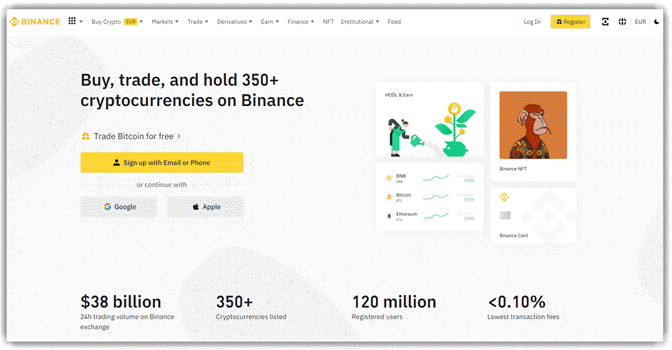
Binance, founded in 2017 by Changpeng Zhao, is the world’s largest cryptocurrency exchange by daily trading volume. It offers a comprehensive blockchain ecosystem where users can buy, sell, and trade a wide variety of digital assets like Bitcoin and Ethereum. Beyond spot trading, Binance provides advanced options such as margin and futures trading, along with staking, liquidity farming, an NFT marketplace, and various educational resources. It also features its own native cryptocurrency, Binance Coin (BNB), enabling users to earn, hold, spend, and share their crypto within a robust global platform.
How It Works
Binance operates as a digital marketplace where users can buy, sell, and trade cryptocurrencies. After creating an account and completing identity verification (KYC), users can deposit funds via bank transfer, credit/debit card, or crypto wallet. Once funded, they can place buy or sell orders on various trading pairs using spot, margin, or futures options.
The platform matches these orders through its advanced trading engine, ensuring fast and secure transactions. Users can also stake tokens, participate in liquidity farming, or explore the NFT marketplace. Binance’s native token, BNB, offers fee discounts and access to special programs, making the ecosystem efficient and rewarding for both beginners and professional traders.
What is Coinbase and How It Works?
What is Coinbase?
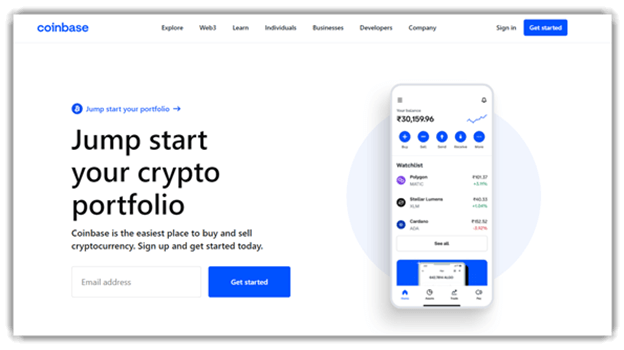
Coinbase, founded in 2012, is one of the largest and most trusted U.S.-based cryptocurrency exchanges. It allows users to buy, sell, transfer, and store a wide range of digital currencies such as Bitcoin, Ethereum, and Solana, serving as a secure gateway to the crypto market for individuals and businesses. Known for its user-friendly interface, digital wallet, and strong regulatory compliance, Coinbase caters to both beginners and experienced traders, offering access to over 240 cryptocurrencies with a strong emphasis on security and transparency.
How It Works
Coinbase functions as a secure and user-friendly platform for buying, selling, and storing cryptocurrencies. After creating an account and verifying identity (KYC), users can link a bank account, debit card, or wallet to deposit funds. They can then buy or sell digital assets like Bitcoin or Ethereum instantly at market prices through the intuitive dashboard.
Purchased cryptocurrencies are stored in a Coinbase wallet, protected by strong encryption and multi-layer security. Users can also transfer crypto to external wallets, stake assets to earn rewards, or use the Coinbase Pro/Advanced Trade option for more detailed charts and order types. The platform’s regulated structure and insurance coverage ensure a safe environment for both beginners and seasoned investors.
Binance vs Coinbase: Features Comparison Table
When I compare Binance and Coinbase, I notice both platforms offer powerful features but cater to different user needs. I find Binance packed with advanced tools and low fees, while Coinbase focuses on simplicity, security, and a smooth user experience.
| Feature | Binance | Coinbase |
| Ease of Use | Advanced interface with “Lite” and “Pro” modes; best for experienced traders | Extremely beginner-friendly with simple layout and guided tools |
| Cryptocurrency Selection | 500+ coins and 1,000+ trading pairs | 240+ coins; strong focus on quality and compliance |
| Trading Options | Spot, margin, futures, options, P2P, copy trading | Mainly spot trading; advanced trade for charting and limit orders |
| Fees | Very low (≈0.1% base); discounts with BNB token | Higher fees (≈0.5%+); simpler but costlier for small trades |
| Payment Methods | Bank transfers, credit/debit cards, P2P trading, crypto deposits | Bank transfers, debit cards, PayPal (in supported countries) |
| Security | Two-factor authentication (2FA), SAFU fund for protection, cold storage | 98% crypto stored offline, FDIC-insured USD balances, strong compliance |
| Regulation | Global platform, operates with regional restrictions in some countries | Fully U.S. regulated, publicly listed company (NASDAQ: COIN) |
| Native Token | BNB – used for fee discounts, staking, and ecosystem benefits | No native token, but offers USDC partnership for stable trading |
| Staking / Earning | Staking, Launchpool, liquidity farming, savings, DeFi access | “Coinbase Earn” for passive income, staking on select assets |
| NFT Marketplace | Yes – integrated NFT trading and creation platform | Yes – limited NFT access (in development phase) |
| Mobile App | Advanced app for iOS & Android with real-time tracking | Clean and easy-to-use mobile app with clear navigation |
| Customer Support | 24/7 live chat, support center, ticket system | Email support, chat bot, help center; response can be slower |
| Educational Resources | Binance Academy – free blockchain and trading education | Coinbase Learn – tutorials, rewards for completing lessons |
| Fiat Support | Supports 50+ fiat currencies globally | Supports major fiat (USD, EUR, GBP) – U.S.-centric |
Coinbase vs Binance: Pros & Cons Summary Table
Binance: Pros and Cons
| Pros | Cons |
| Supports over 600 cryptocurrencies, offering wide variety and early access to new tokens | Can be complex and intimidating for beginners |
| Lower trading fees compared to most competitors | Limited regulation in some regions |
| Advanced trading options like futures, margin, and staking | |
| High liquidity and large global user base | |
| Offers additional features like Binance Earn and Launchpad |
Coinbase: Pros and Cons
| Pros | Cons |
| Extremely beginner-friendly with a simple, intuitive interface | Higher fees compared to Binance |
| Fully regulated and compliant in the U.S. | Limited advanced trading tools on the main app |
| Offers phone, chat, and email support in select regions | May feel too basic for professional traders |
| Secure platform with insurance and compliance standards | |
| Strong educational resources and staking options |
Binance vs. Coinbase: Fees and Pricing
| Fee Type | Binance Fee | Coinbase Fee |
| Spot Trading Fee | 0.1% maker/taker; 0.075% with BNB discount | ~0.5% spread + fixed fees $0.99-$2.99 depending on amount; Coinbase Pro from 0.05% |
| Futures Trading Fee | Maker 0.02%, Taker 0.04% | Not typically offered, separate Pro platform needed |
| Deposit Fees | Free for crypto deposits; varies for fiat | Free for bank transfers; card payments have higher fees |
| Withdrawal Fees | Varies by coin/network; dynamic fees | Varies; often fixed fees depending on withdrawal type |
| Discount Options | BNB coin payment discount, VIP tiers | Coinbase One subscription for z |
Binance vs. Coinbase: Security and Regulation
When I compare Binance and Coinbase, I see that both prioritize user security but differ in their regulatory frameworks and transparency.
Security Protocols
Both exchanges use strong two-factor authentication (2FA), encryption, and cold storage for most user funds. Binance adds an extra layer through its Secure Asset Fund for Users (SAFU), which acts as insurance in case of breaches. Coinbase, on the other hand, stores about 98% of assets offline and provides FDIC insurance for U.S. dollar balances up to $250,000.
Regulatory Compliance and Licensing
Coinbase is fully regulated in the United States, operates as a publicly listed company (NASDAQ: COIN), and complies with U.S. financial and securities laws. Binance operates globally with regional entities (like Binance.US), but has faced regulatory scrutiny in several countries. I find Coinbase stronger in formal compliance and transparency, while Binance offers broader access but faces more regional restrictions.
Binance vs. Coinbase: Trading Experience
When I compare Binance and Coinbase, I notice a clear difference in trading depth and user accessibility.
Charting Tools, Speed, and Liquidity
Binance offers advanced charting tools, multiple order types, and deep liquidity, making trades faster and more efficient even during high-volume periods. Its interface supports detailed technical analysis through TradingView integration, catering to professional traders. Coinbase provides simpler charting and order features, ensuring an easy and stable experience but with fewer customization options.
Experience for Advanced vs. Beginner Users
I find Binance ideal for experienced traders who prefer advanced features, real-time data, and diverse trading modes like spot, margin, and futures. In contrast, Coinbase is better suited for beginners, offering a clean interface, straightforward buy/sell options, and guided tools that make crypto trading accessible without overwhelming users.
Binance vs. Coinbase: Ease of Use
When it comes to usability, Coinbase is generally seen as more beginner-friendly. Its clean interface and simple onboarding make buying and selling crypto easy for newcomers. Binance, by contrast, offers more advanced trading features and customization options, which can feel overwhelming at first. However, experienced users appreciate Binance’s detailed charts and lower fees. For quick, intuitive transactions, Coinbase wins; for flexibility and depth, Binance provides a richer experience once you learn the platform.
Supported Cryptocurrencies
Binance Supported Cryptocurrencies
- Bitcoin (BTC)
- Ethereum (ETH)
- Binance Coin (BNB)
- Solana (SOL)
- XRP
- Cardano (ADA)
- Dogecoin (DOGE)
- Polkadot (DOT)
- Avalanche (AVAX)
- Chainlink (LINK)
- Polygon (MATIC)
- Shiba Inu (SHIB)
- Toncoin (TON)
- NEAR Protocol (NEAR)
- Many others (over 600+ coins, including new listings and regional tokens)
Coinbase: Supported Cryptocurrencies
- Bitcoin (BTC)
- Ethereum (ETH)
- Solana (SOL)
- Cardano (ADA)
- Avalanche (AVAX)
- Polkadot (DOT)
- Chainlink (LINK)
- Dogecoin (DOGE)
- Polygon (MATIC)
- Uniswap (UNI)
- Litecoin (LTC)
- Stellar (XLM)
- Aave (AAVE)
- Shiba Inu (SHIB)
- Approximately 250+ coins, all carefully vetted for compliance and security
Who Should Use Each Platform?
| User Type / Goal | Best Platform | Why |
| Beginners & Casual Investors | Coinbase | Simple, intuitive interface; strong U.S. regulation; ideal for buying, selling, and holding crypto easily. |
| Security-Focused Users | Coinbase | High compliance standards, insured U.S. dollar balances, and strong customer protection measures. |
| Active & Advanced Traders | Binance | Lower trading fees, advanced charts, and tools for spot, margin, and futures trading. |
| Altcoin Enthusiasts | Binance | Supports 600+ cryptocurrencies, offering access to new and diverse crypto projects. |
| Global Users | Binance | Broader international availability, multiple fiat currencies, and regional product options. |
Customer Support Comparison
When it comes to customer support, both Binance and Coinbase offer multiple ways to get help, but their approaches and responsiveness differ noticeably. Binance provides 24/7 live chat support directly through its platform, along with a detailed help center filled with FAQs and troubleshooting guides. However, users often report that reaching a human agent can take time, as the system initially routes inquiries through automated chatbots. Phone support is not widely available, especially for Binance.US customers.
Coinbase, on the other hand, offers a mix of email, live chat, and limited phone support in select regions. Its help center is comprehensive, covering topics like account recovery, security, and trading issues. While Coinbase’s phone support gives it an advantage for users who prefer speaking to a representative, response times can vary, and some users report delays in issue resolution.
Overall, Binance excels in availability and automation, while Coinbase provides broader contact options and a more reassuring experience for those who value direct communication — especially within regulated markets like the U.S.
Coinbase vs Binance Conclusion: Which one should you choose?
Choose Coinbase if: You’re new to crypto, want a simple, beginner-friendly interface, and value regulatory compliance and security. It’s ideal for long-term holders who want a straightforward way to buy, sell, and store crypto.
Choose Binance if: You’re an experienced trader looking for low fees, a wide variety of trading options, and access to many different cryptocurrencies. Binance is perfect if you want to explore advanced trading tools, margin trading, and staking.
FAQs
Do Binance and Coinbase Work in the USA?
Yes. Both operate in the U.S. Coinbase is fully licensed nationwide, while Binance serves Americans through Binance.US, a separate regulated entity complying with U.S. financial regulations.
Is Coinbase Legal in India?
Yes. Coinbase is registered with India’s Financial Intelligence Unit (FIU), allowing limited operations. However, some services remain restricted as India’s cryptocurrency regulations continue to evolve and gain clarity.
Can I Use Both Binance and Coinbase Together?
Yes. Many investors use both—Coinbase for easy fiat purchases and regulation, and Binance for lower fees and advanced trading. Ensure compliance and consistent security across both accounts.
Which Platform Is Better for Beginners: Binance or Coinbase?
Coinbase is better for beginners. Its intuitive interface, clear design, and simple buying process make it ideal for new users learning crypto basics before exploring Binance’s complex tools.
Which Exchange Is More Beginner-Friendly?
Coinbase offers a smoother onboarding experience. Its simplicity, strong compliance, and helpful tutorials make it more beginner-friendly than Binance, which targets advanced traders seeking greater flexibility.
Is Coinbase Wallet Safer Than Binance?
Both are secure, but Coinbase maintains stricter U.S. compliance and insurance protections. Binance also has strong safeguards but faces regulatory scrutiny in multiple countries, influencing user trust.
Why Does Coinbase Charge Higher Fees?
Coinbase charges higher fees due to its user-friendly design, licensing, and fiat integration. Binance keeps costs low through higher trading volumes, fewer intermediaries, and native token (BNB) discounts.
Is Binance Better or Coinbase?
It depends. Coinbase excels in simplicity and regulation; Binance wins on fees and trading options. Many investors combine both for secure, diversified, and efficient cryptocurrency management.